
The POWs’ Unequal Justice
The Narrow Road to the Deep NorthThis thread follows Japanese and Korean camp personnel through postwar trials, evasion, and the unequal allocation of blame.
increasing Bearing strength in each event
 decreasing
Bearing strength in each eventdecreasingThe Camp Hierarchy
Power in the Camp
Orders and Rank
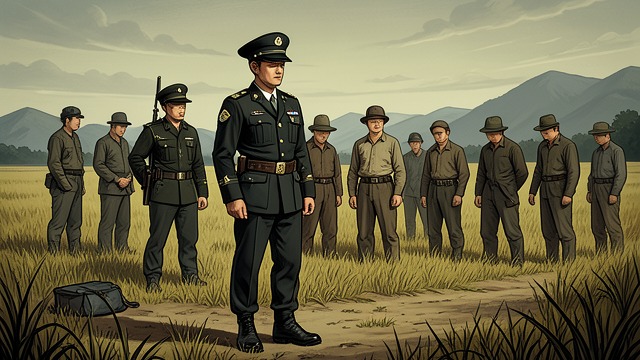
Japanese officers direct the railway project while Korean guards exercise violence over Australian prisoners. Each level of authority gives the next a reason to obey.
Responsibility Deferred
The system makes individual cruelty appear routine and necessary. The prisoners experience the blows, while command structures divide and obscure responsibility.
Kota’s Testimony
Evidence and Blame
An Officer’s Account
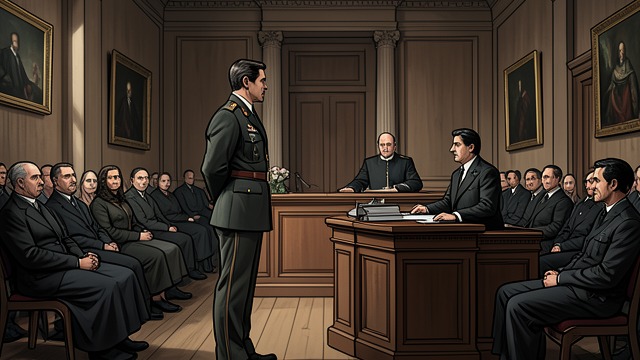
Colonel Kota’s evidence contributes to the conviction of Korean and Formosan guards. His own role is not treated in the same way.
Unequal Exposure
The trials turn a complex chain of authority into individual cases, but rank and political usefulness affect who is punished. The process offers accountability without equal justice.
Choi on Death Row
A Condemned Guard
Sentence and Confusion
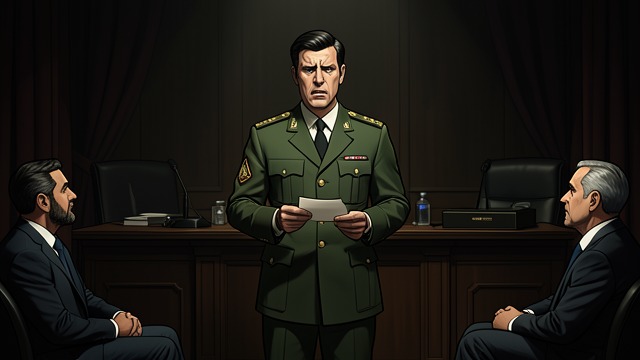
Choi Sang-min is convicted of ordering a prisoner’s death and other abuses, though the evidence is disputed. The trial takes place in a language and system he barely understands.
A Life Reduced
He fixates on the fifty yen he expected to earn, a small wage that had drawn him into imperial service. The fixation becomes a measure of how little control he feels over his life.
The Execution
The Final Morning
No Settled Identity
Choi Sang-min struggles to decide whether he belongs to Korea, Japan, or neither. He has no shared national ideal to make his death meaningful.
A Private Terror
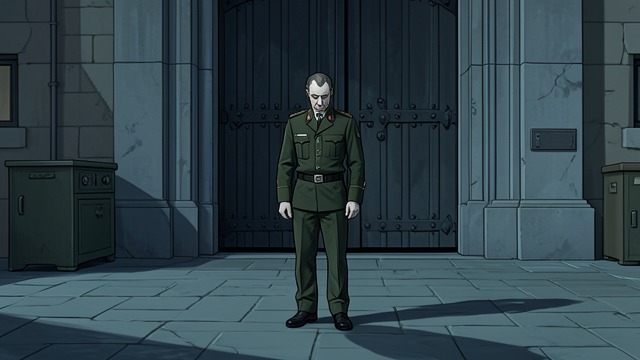
He is executed while still thinking of the money he never received. The scene exposes the gap between the grand language of justice and the limited life of the man who dies.
The Escape of Authority
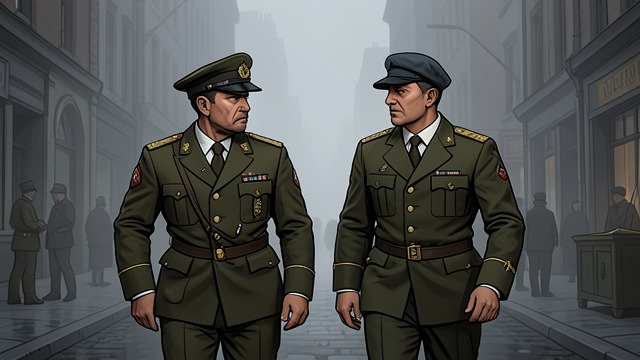
The Powerful Survive
Changed Circumstances
Major Nakamura evades prosecution and later resumes his real name. Colonel Kota returns to influence and helps him find work.
Selective Memory
Their postwar lives reveal how institutions can abandon accountability while individuals tell themselves they were victims. The men most able to shape the story are not necessarily those who pay for it.
During the railway’s construction, under Japanese command
After the war, during the Australian war-crimes proceedings
In 1948, during Choi Sang-min’s imprisonment at Changi
The morning Choi Sang-min is executed at Changi
In postwar Japan, after the Allied trials begin to recede
